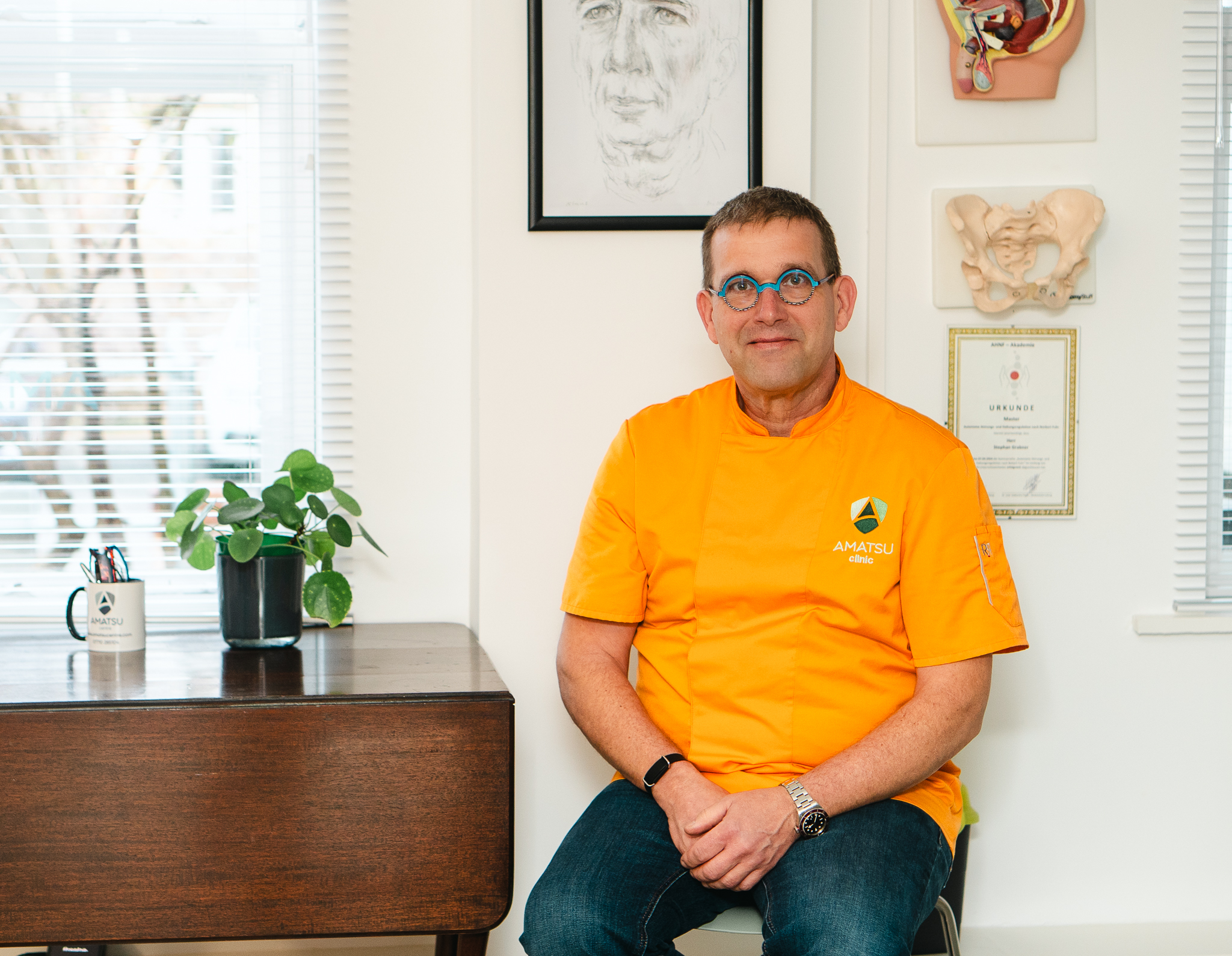
By Stephan Grabner, Founder — Amatsu Clinic, Abergavenny
Many people arrive at our clinic in Abergavenny saying the same thing: "I just don't feel right, but I can't put my finger on why."
They've often been to their GP. Blood tests come back normal. They're told to rest more, stress less, or that it's simply part of getting older. But something still feels off — and it has done for months, sometimes years.
At Amatsu Clinic, we specialise in identifying why the body is out of balance and helping it find its way back — naturally. Our experience is that when the body is out of balance — structurally, energetically or biochemically — it communicates that through a range of symptoms that are easy to dismiss individually, but meaningful when seen together.
Here are five of the most common signs we see, what they might mean, and how natural, expert-led therapies can help to restore balance and get you feeling like yourself again.
1. You Wake Up Stiff — A Classic Sign the Body Is Out of Balance
Morning stiffness that takes more than 20–30 minutes to ease is one of the most commonly reported symptoms we hear about, and one of the most frequently ignored.
Most people assume it's simply the mattress, or that it's inevitable as they age. But persistent morning stiffness — particularly in the joints, lower back, hips or neck — is often a sign that soft tissues are under tension and the body's structures are not moving freely during rest.
What may be happening: When the body's musculoskeletal system is out of alignment, muscles, tendons and ligaments remain in a state of low-level tension even at rest. This prevents the natural recovery processes that should happen overnight.
How we can help: Amatsu Therapy is a gentle, whole-body treatment that works with soft tissues and structural alignment to release tension patterns and restore natural movement. Many clients report significantly reduced morning stiffness within their first few sessions.
2. Aches That Move Around Rather Than Staying in One Place
Moving or migrating pain is another common sign the body is out of balance — and one of the most misunderstood. Back pain one week, hip pain the next, then shoulder tension — this is a strong signal that there is a pattern of compensation happening in the body rather than an isolated injury.
The body is remarkably good at adapting. When one area is restricted or weakened, nearby structures compensate. Over time, this creates a chain of tension that can surface in different locations, confusing both the person experiencing it and practitioners who only look at the symptomatic area.
What may be happening: Compensatory patterns in the musculoskeletal system, often rooted in an old injury, postural habit or structural imbalance, that has never been properly addressed.
How we can help: Amatsu Therapy is specifically designed to identify and treat the root cause of these patterns rather than chasing the symptom. By restoring balance to the whole body — including the spine, pelvis, and craniosacral system — we can help break the cycle of moving pain.
3. Persistent Low Energy That Rest Doesn't Fix
Fatigue is the second most common reason people come to us. Not ordinary tiredness after a busy week — but a heavy, unshakeable exhaustion that sleep doesn't seem to resolve.
This type of fatigue is often dismissed as stress, burnout, or "just how things are." But in many cases, it has a physical and biochemical root that can be identified and addressed.
What may be happening: Low cellular energy, nutritional deficiencies, hormonal imbalance, or poor oxygen utilisation at a cellular level — none of which will show up on a standard NHS blood panel. Persistent fatigue is one of the less obvious ways the body signals it is out of balance — but it is one of the most important to address.
How we can help: We offer two particularly effective approaches for fatigue. IHHT (Intermittent Hypoxic-Hyperoxic Training) works at a cellular level to improve mitochondrial function — essentially helping your body produce energy more efficiently. Our private blood testing can also identify deficiencies or imbalances that standard tests miss, giving us a much clearer picture of what your body needs.
4. Posture You Can't Seem to Correct — No Matter How Hard You Try
You sit up straight. You remind yourself to stand tall. You've bought the ergonomic chair. And yet, within minutes, you're slumped again — or the tension in your neck and shoulders is back.
This is not a lack of willpower. It is almost always a structural issue.
What may be happening: When the underlying structure of the body — the pelvis, spine, and surrounding soft tissues — is not in balance, the brain will continuously pull the body back into its habitual (and compensatory) pattern. Trying to hold a corrected posture on top of an imbalanced structure is like trying to build on uneven ground.
How we can help: Amatsu Therapy works to rebalance the underlying structure so that good posture becomes natural and effortless, rather than something you have to consciously maintain. Many clients notice changes in their posture that others comment on before they are even fully aware of it themselves.
5. A Sense of Being "Disconnected" From Your Body
This one is harder to describe — and that's exactly why so many people dismiss it. A feeling of being "not quite in your body." Tension you can't locate or shift. A vague sense that something is wrong, even when everything looks fine on paper.
This is perhaps the most profound signal the body sends, and the one that conventional medicine is least equipped to address.
What may be happening: Chronic stress, trauma held in the body, or a disruption to the body's natural energy pathways and nervous system regulation can all create this sense of disconnection. It is real, it is valid, and it is treatable.
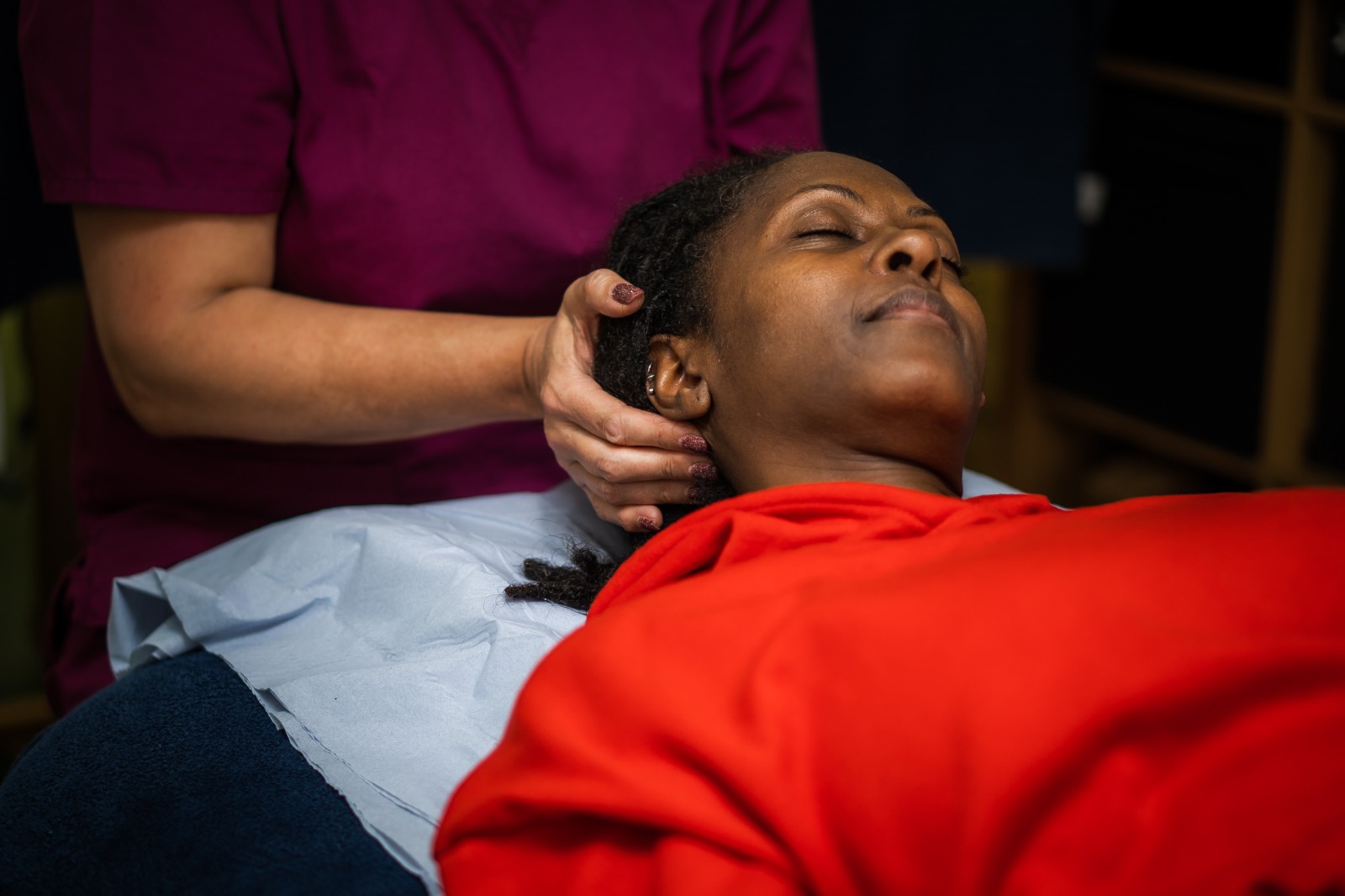
How we can help: Acupuncture works directly with the body's energy meridians to restore flow and promote deep nervous system regulation. Many clients describe feeling "reconnected" and grounded after just one or two sessions — often more relaxed than they have felt in years. (Yes, some even fall asleep on the table — and that's a very good sign.)
What Should You Do Next?
If you recognise yourself in any — or several — of the signs above, the most important thing to know is this: you don't have to keep putting up with it.
When the body is out of balance, the symptoms may feel complex — but the solution is often simpler than people expect.
These symptoms are common. But common is not the same as normal or inevitable.
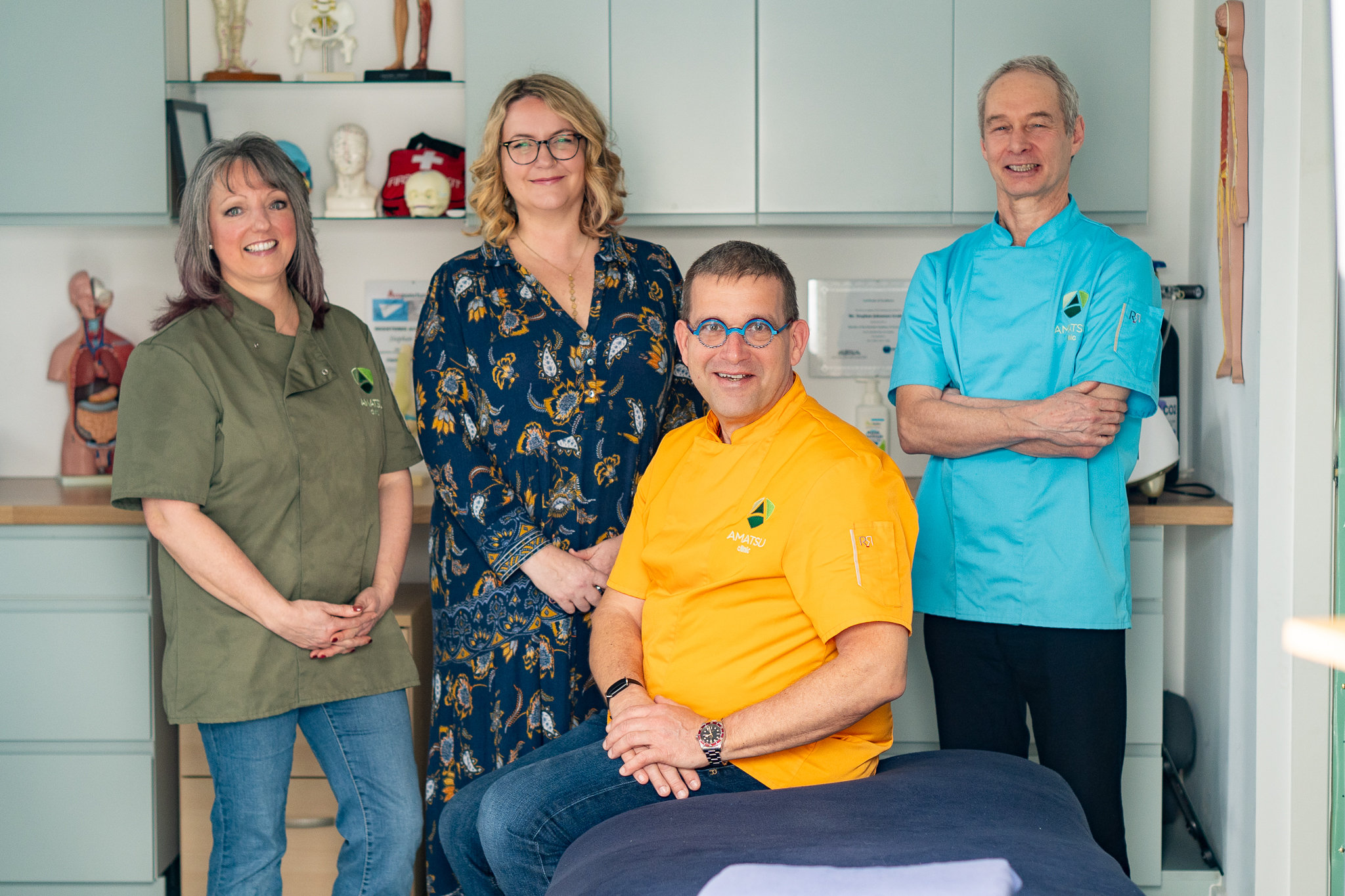
At Amatsu Clinic in Abergavenny, our team of experienced therapists takes the time to understand what's happening in your body as a whole, not just the part that hurts the most right now. We work with you to create a personalised plan that addresses the root cause — not just the symptom.
This Easter, we're offering a free 15-minute assessment — no obligation, no pressure. Just an honest conversation with one of our therapists about what's going on and what could genuinely help.
📞 Call us on 01873 850624 and mention EASTER ASSESSMENT
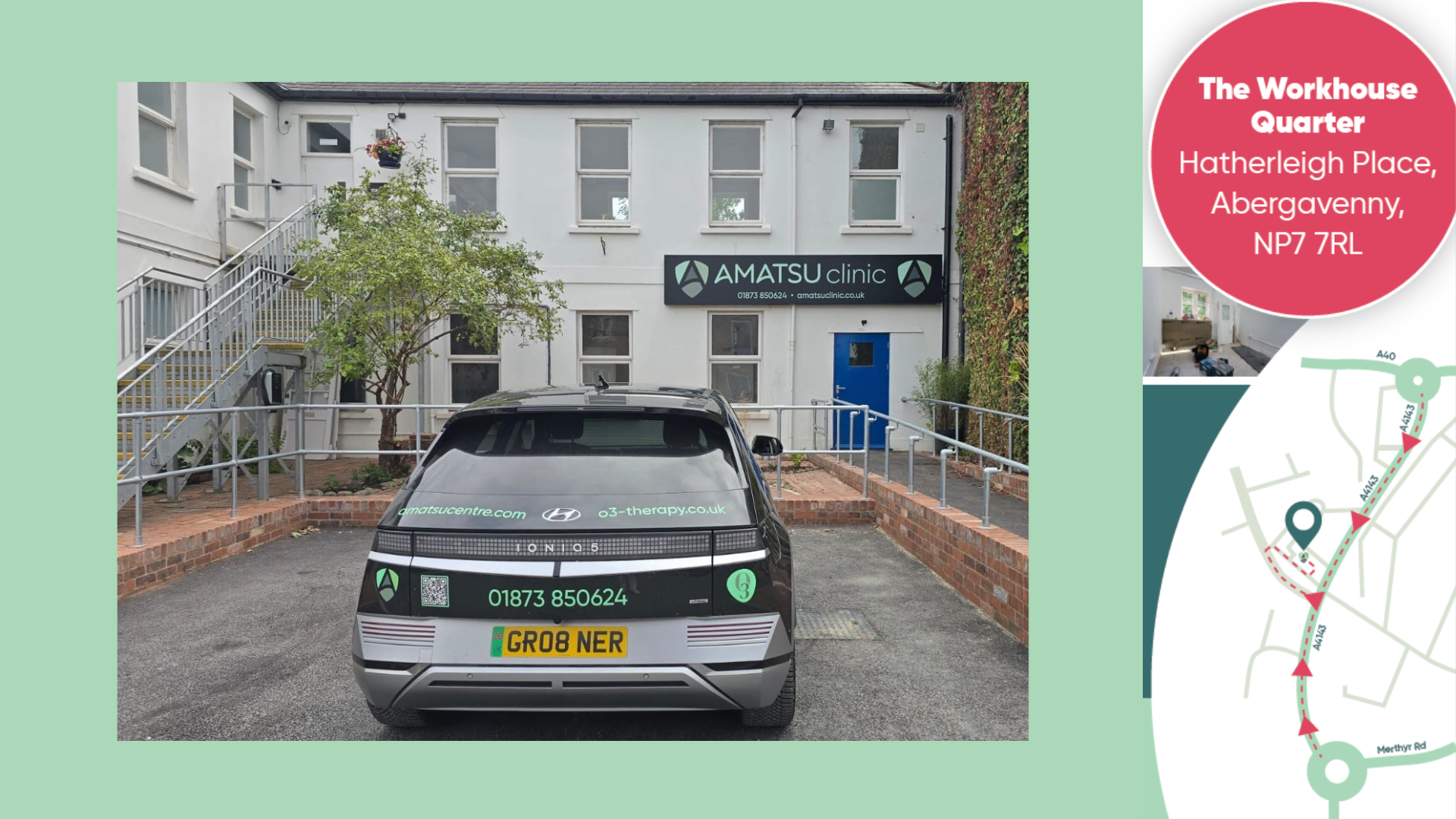
📍 Amatsu Clinic, The Workhouse Quarter, Hatherleigh Place, Abergavenny, NP7 7RL
Limited slots available — first come, first served.
Frequently Asked Questions About Signs Your Body Is Out of Balance
What does it mean when your body is out of balance?
When the body is out of balance, it means that the musculoskeletal, nervous, or biochemical systems are not functioning in harmony. This can result in pain, fatigue, poor posture, reduced mobility, or a general sense of not feeling well — even when standard medical tests show nothing abnormal.
Can Amatsu Therapy help with whole-body symptoms?
Yes. Amatsu Therapy is specifically designed as a whole-body treatment. Rather than treating individual symptoms in isolation, it works to identify and address the underlying patterns of tension and structural imbalance that are causing those symptoms.
How many Amatsu treatments will I need?
Most clients begin to notice positive changes within the first two to three sessions. At Amatsu Clinic, we offer a commitment: we will improve your condition within six treatments, or we'll give you your money back.
Is Amatsu Therapy available in Abergavenny?
Yes. Amatsu Clinic is based at The Workhouse Quarter, Hatherleigh Place, Abergavenny, NP7 7RL, serving clients from Abergavenny, Crickhowell, Usk, Cwmbran, Merthyr Tydfil and the wider South Wales area.
What other therapies does Amatsu Clinic offer alongside Amatsu?
The clinic offers Acupuncture, Ozone Therapy, IHHT, CO₂ Therapy, Private Blood Testing, and a Women's Health & Menopause Clinic led by Dr Claire Marie Thomas.